12 Paper Bag Puppets for Kids (Free Printable Templates)
Turn a plain lunch sack into a lion, a space explorer, or a little gingerbread storyteller! These paper bag puppets for kids all have free printable templates to help you make the characters, with full tutorials for cutting and assembling each one.
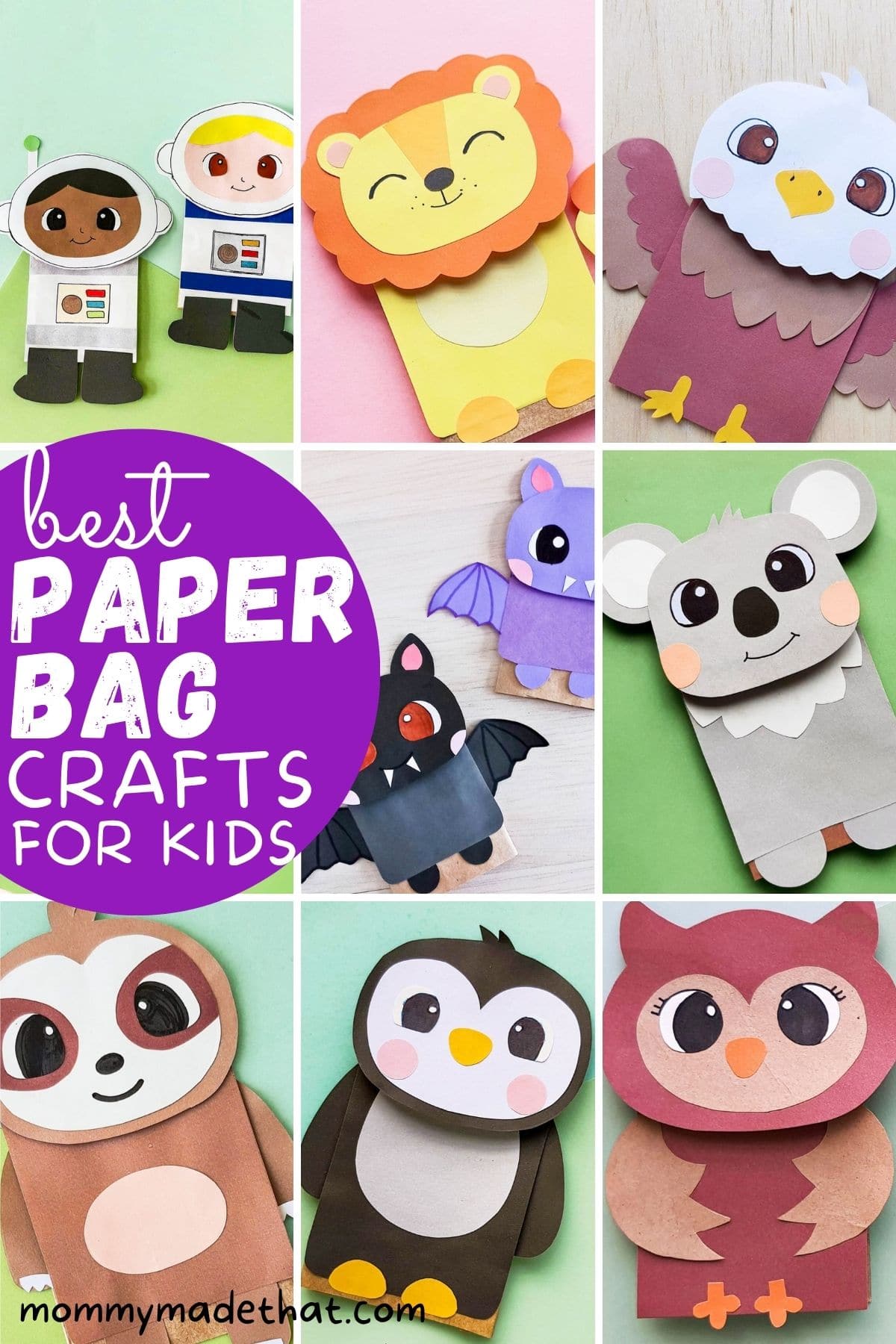
Choose from the 12 ideas below for a craft afternoon, classroom activity, or homemade puppet show. Each project link takes you to its tutorial, where you’ll find the instructions and signup for that puppet’s free template.
Animal Paper Bag Puppets
Paper Bag Lion Puppet
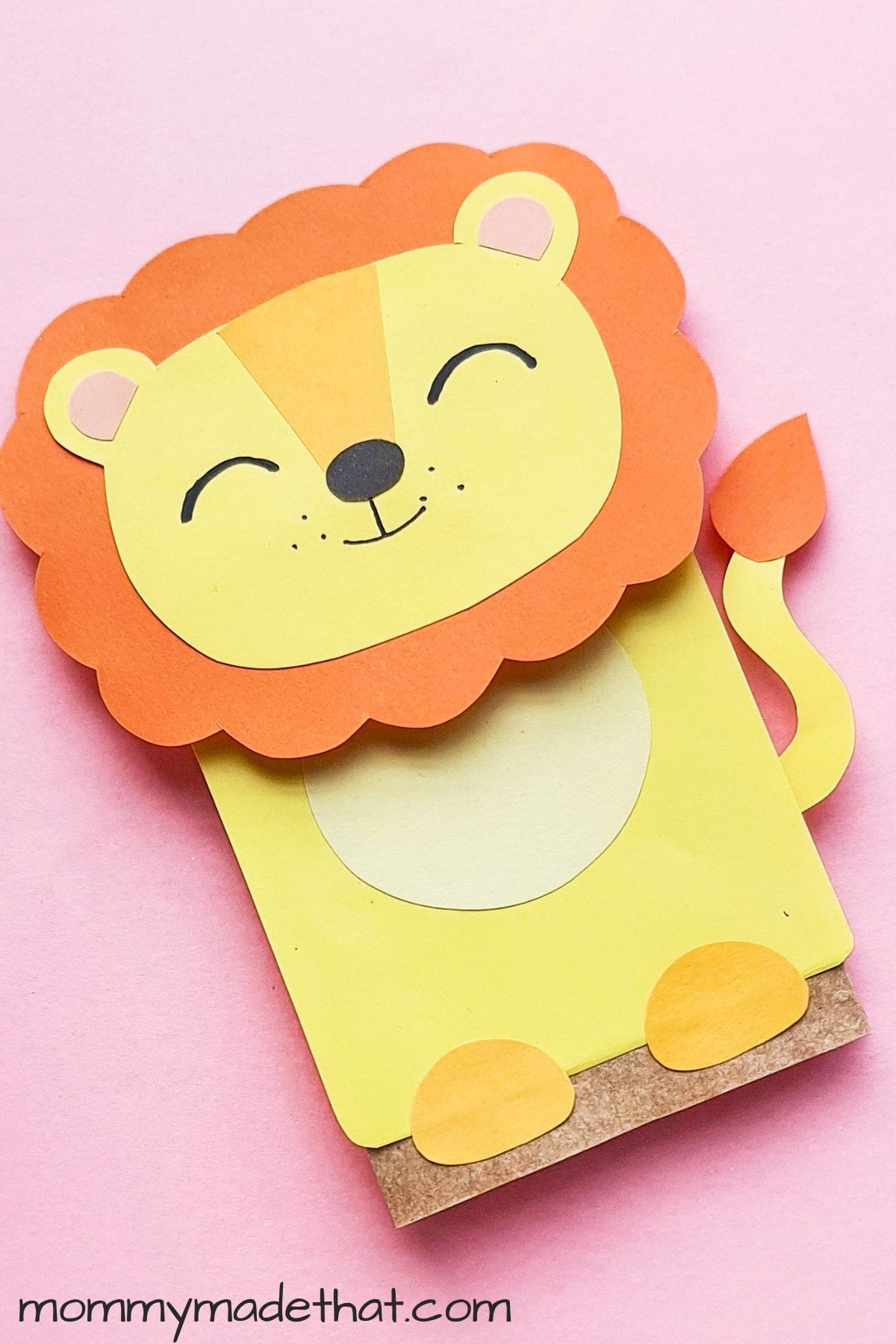
Give your puppet show a little roar with this paper bag lion puppet! The printable has pieces for the mane, face, paws, belly, and tail. Kids can trace them onto colored paper or color the template pieces before cutting them out.
Try making the lion a friendly character who needs help finding something. Another puppet can join the search, giving kids a simple starting point for their story.
Paper Bag Monkey Puppet
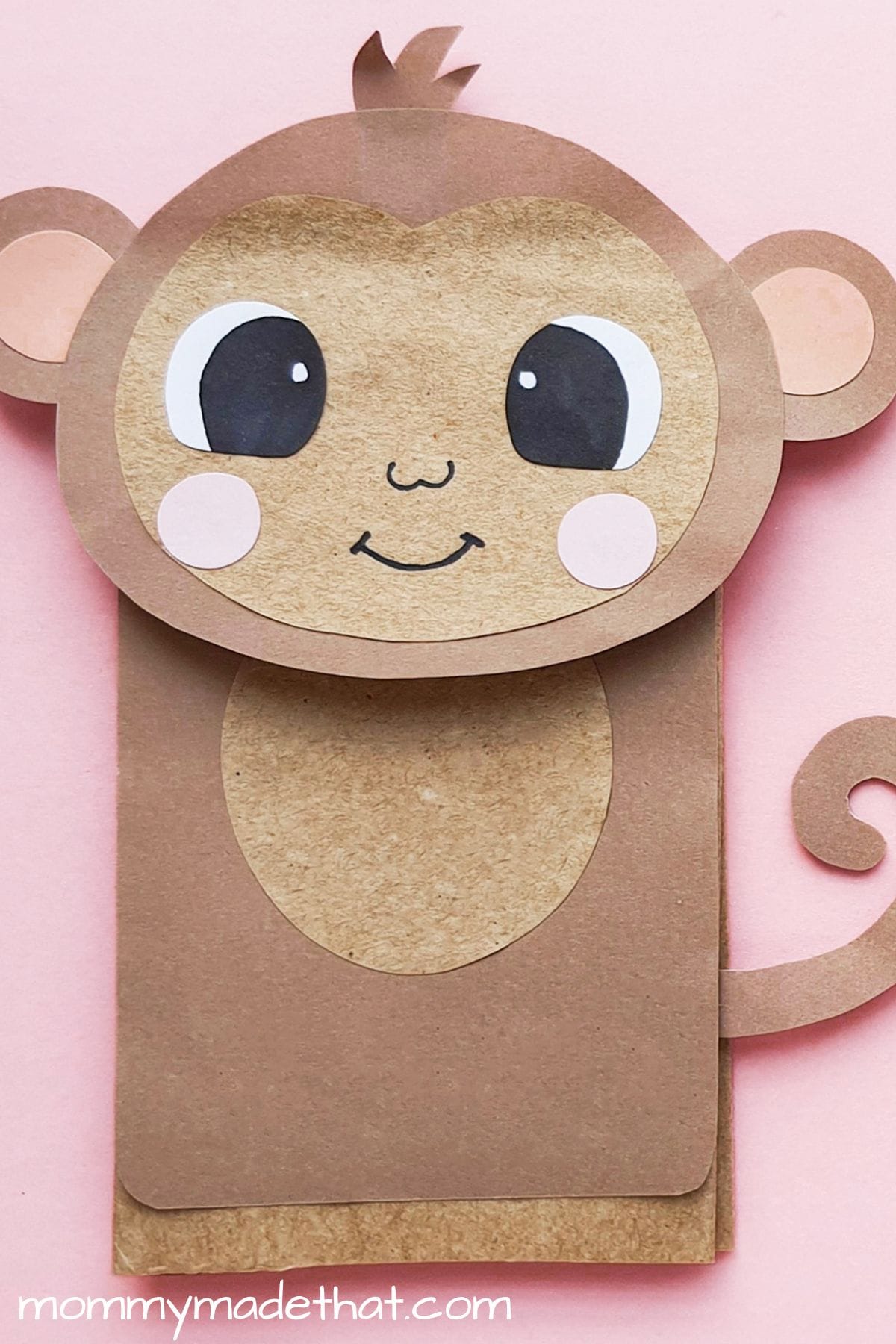
This paper bag monkey puppet brings a curly tail and a cheeky face to the puppet theater. The template includes the head, face, ears, hair, tail, belly, and cheeks, which kids assemble on a small paper lunch bag.
Let kids draw different expressions on their monkeys. Then ask them to act out how their character feels: excited to see a friend, surprised by a noise, or ready for a nap.
Paper Bag Koala Puppet
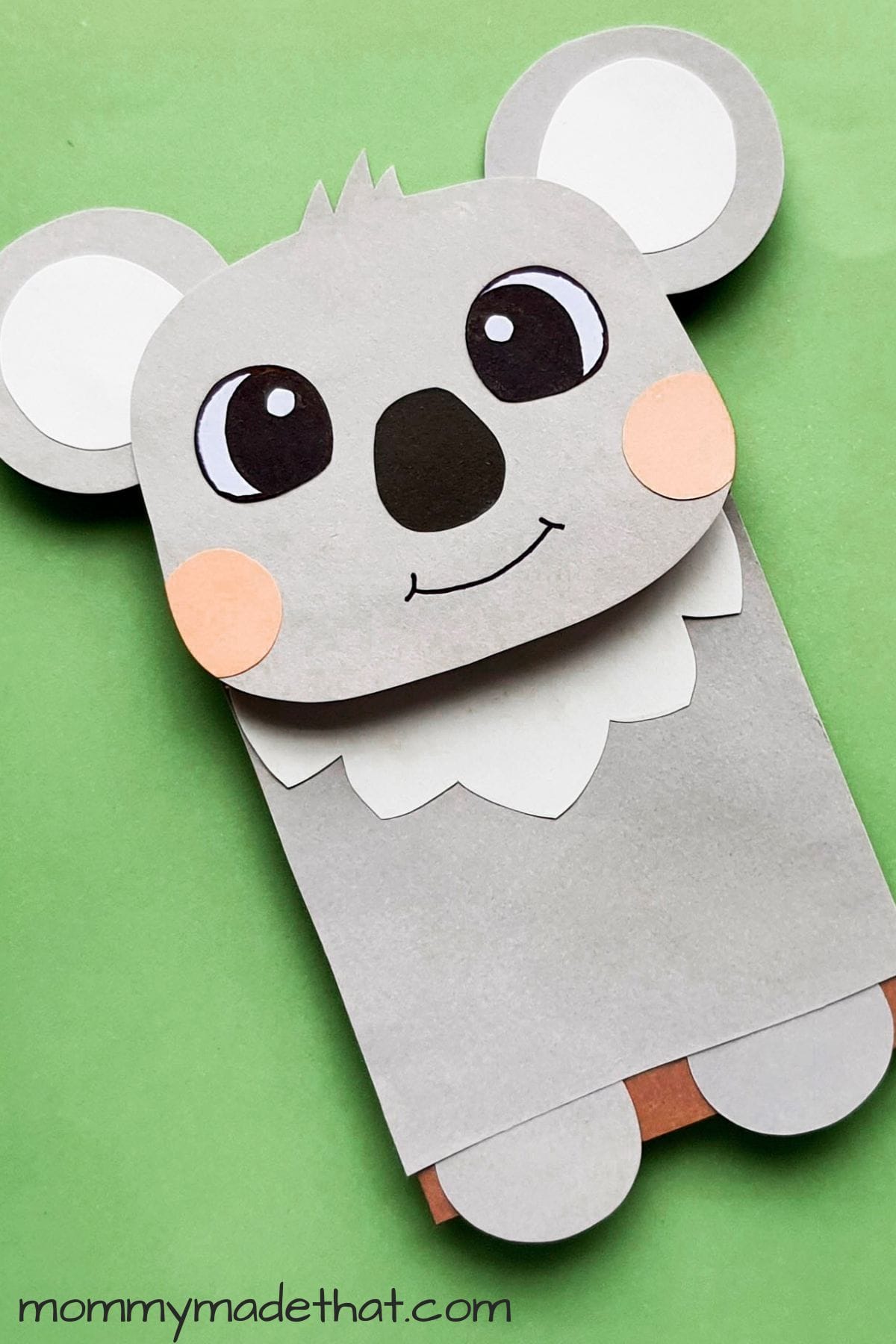
Our paper bag koala puppet has big ears, a round nose, and a little paper fur collar. Use the template to trace the pieces onto colored paper, or color the pieces yourself before putting the puppet together.
The small face pieces are a good place for an adult to help with cutting. Kids can arrange everything on the head first, then glue once they’re happy with their koala’s face.
Paper Bag Sloth Puppet
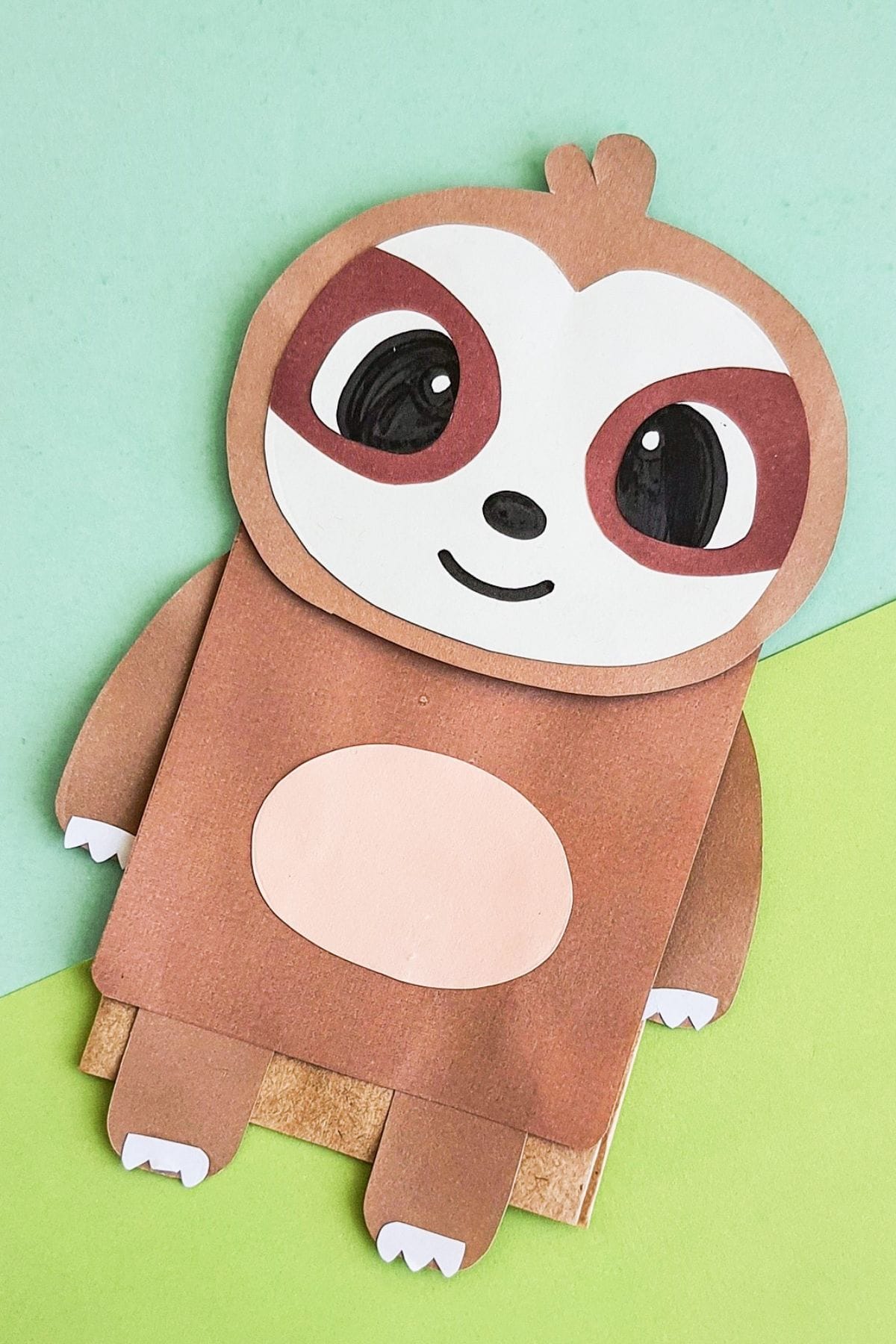
Make a slow-moving storyteller with this paper bag sloth puppet! The template includes the face patches, belly, arms, legs, and little nail pieces. The long limbs give it a different look from the other animals in this collection.
Have the sloth tell a story in a very slow voice, then let another puppet answer. Keep the smaller nail pieces in a little dish while assembling so they don’t disappear under the paper scraps.
Paper Bag Squirrel Puppet

A big tail makes this paper bag squirrel puppet a fun choice for a woodland theme or fall craft session. Its template comes in two sizes, with a smaller option and a larger version designed for a typical lunch bag.
Compare the template pieces with your bag before cutting out the colored paper. Once the squirrel is finished, kids can act out a story about collecting acorns or looking for a place to hide them.
Paper Bag Owl Puppet
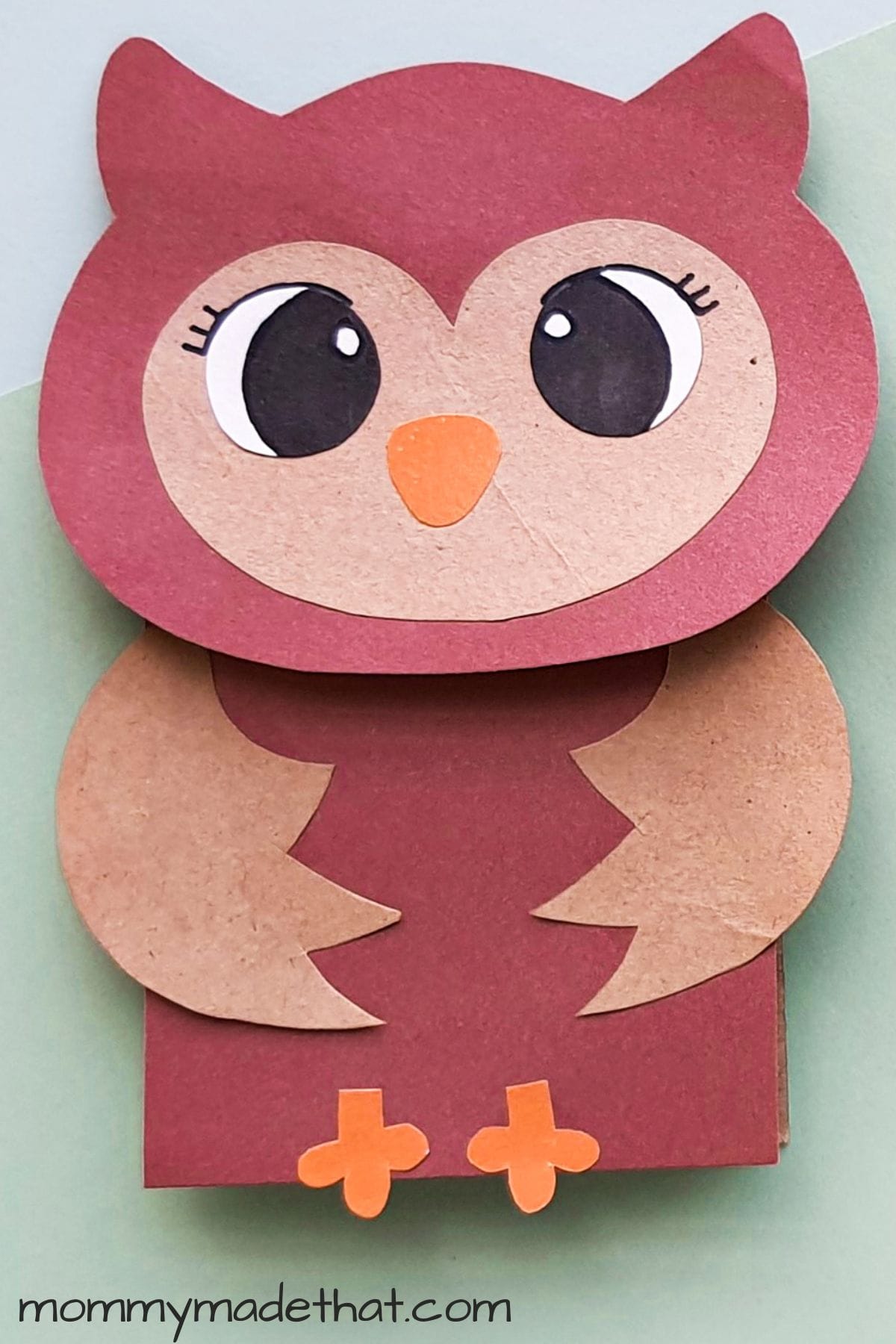
Turn a lunch sack into a paper bag owl puppet with layered face pieces, a beak, feet, and wings. The printable gives you the shapes to trace, and kids can choose their own feather colors rather than sticking with brown.
Pair the owl with a woodland story, or invite it to introduce the other puppets. Draw the pupils before attaching the eyes so kids can decide which way their owl is looking.
Paper Bag Penguin Puppet
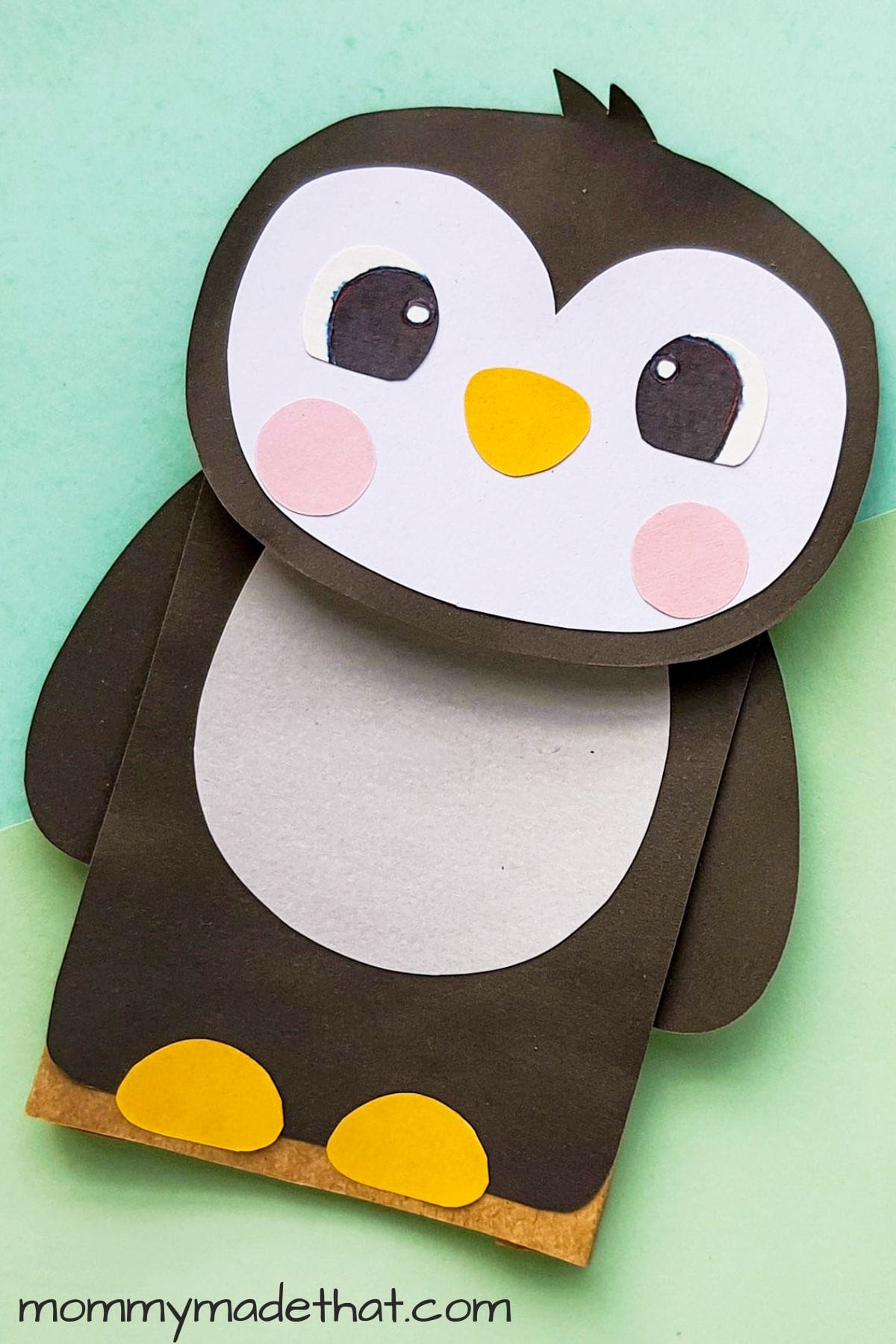
This paper bag penguin puppet uses paper pieces for the head, face, wings, belly, beak, feet, and cheeks. It’s a cute addition to a winter animal activity, and the tutorial includes the printable template to help with assembly.
Let the glue dry before the penguin starts waddling through its first performance. Younger kids can help place the large belly and face pieces while an adult cuts the smaller details.
Paper Bag Eagle Puppet
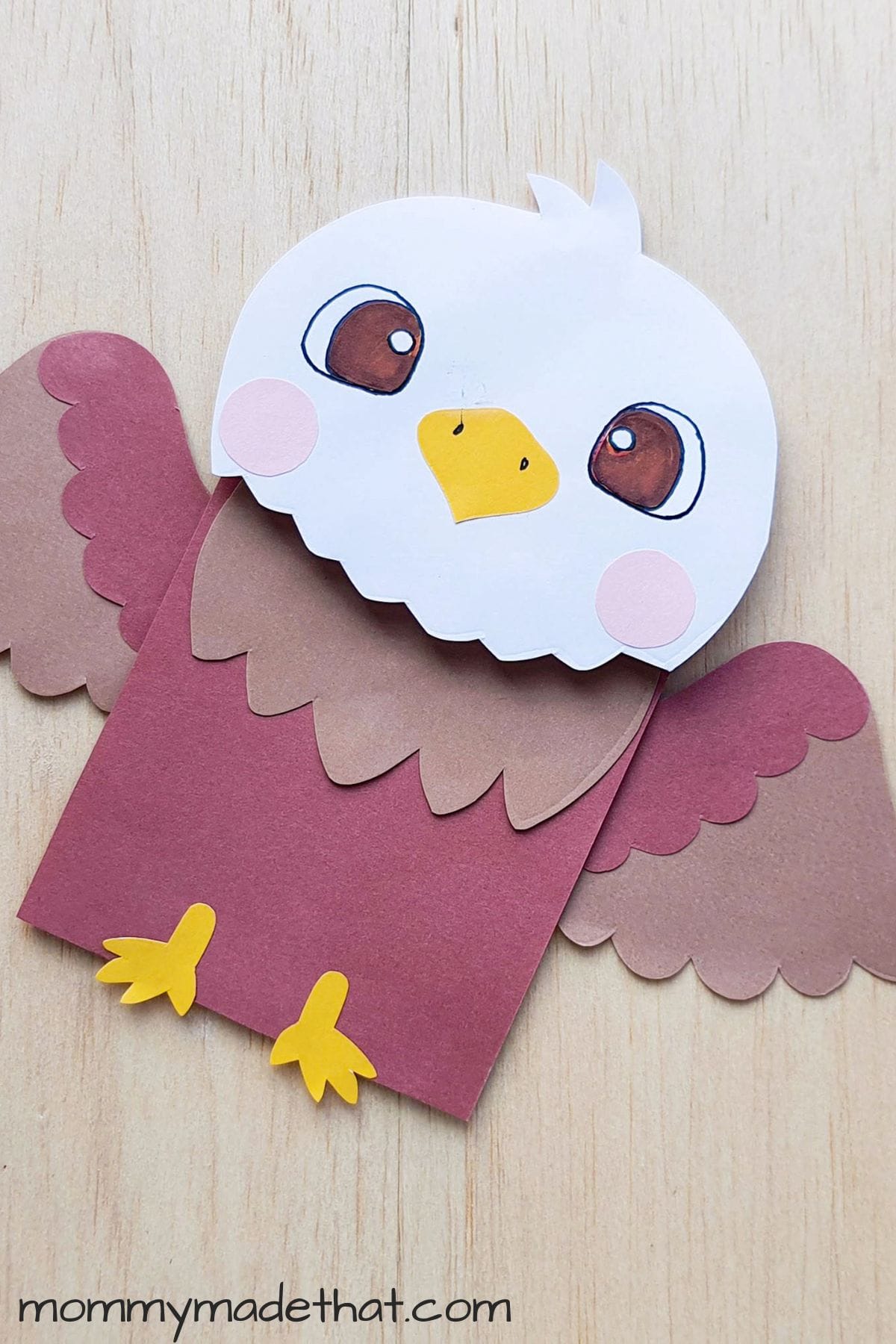
Make a paper bag eagle puppet with a feathered neck and layered wings. The template provides the bird’s shapes, and the tutorial shows how to attach the head to the bag’s bottom flap so it can move during play.
Use the eagle for a bird-themed puppet show or a Fourth of July craft. Lay out the wing layers before gluing so kids can see how the smaller pieces fit onto the larger shapes.
Paper Bag Puppets for Imaginative Play
Paper Bag Astronaut Puppet
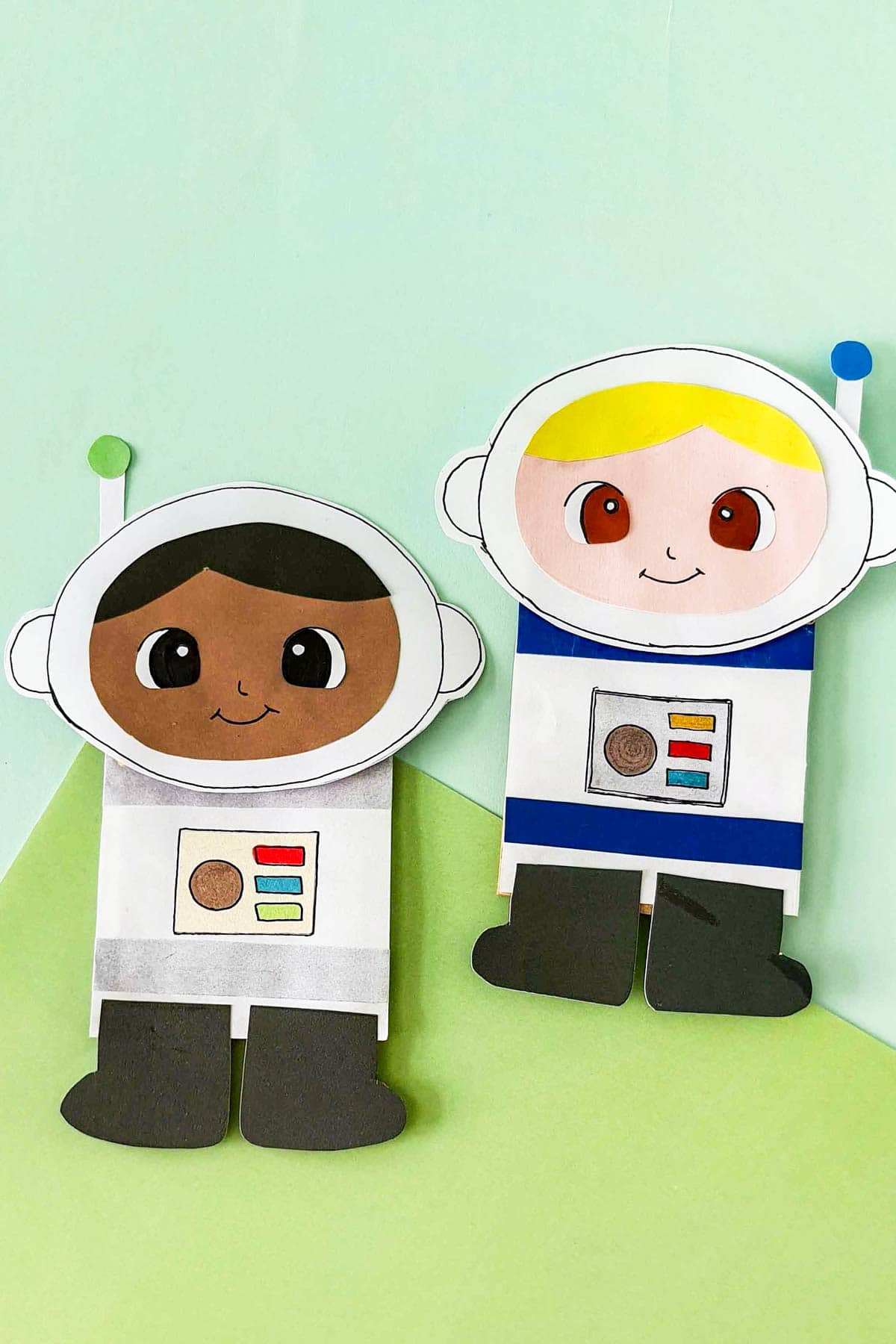
Send a paper bag astronaut puppet on a pretend mission! This craft includes a helmet, suit, shoes, and a control panel that kids can decorate with drawn-on buttons. Choose different paper colors to give each space explorer a personal look.
Ask your child where the astronaut is going and what they hope to discover. They can act out the landing, describe an imaginary planet, and report back to the audience.
Paper Bag Robot Puppet
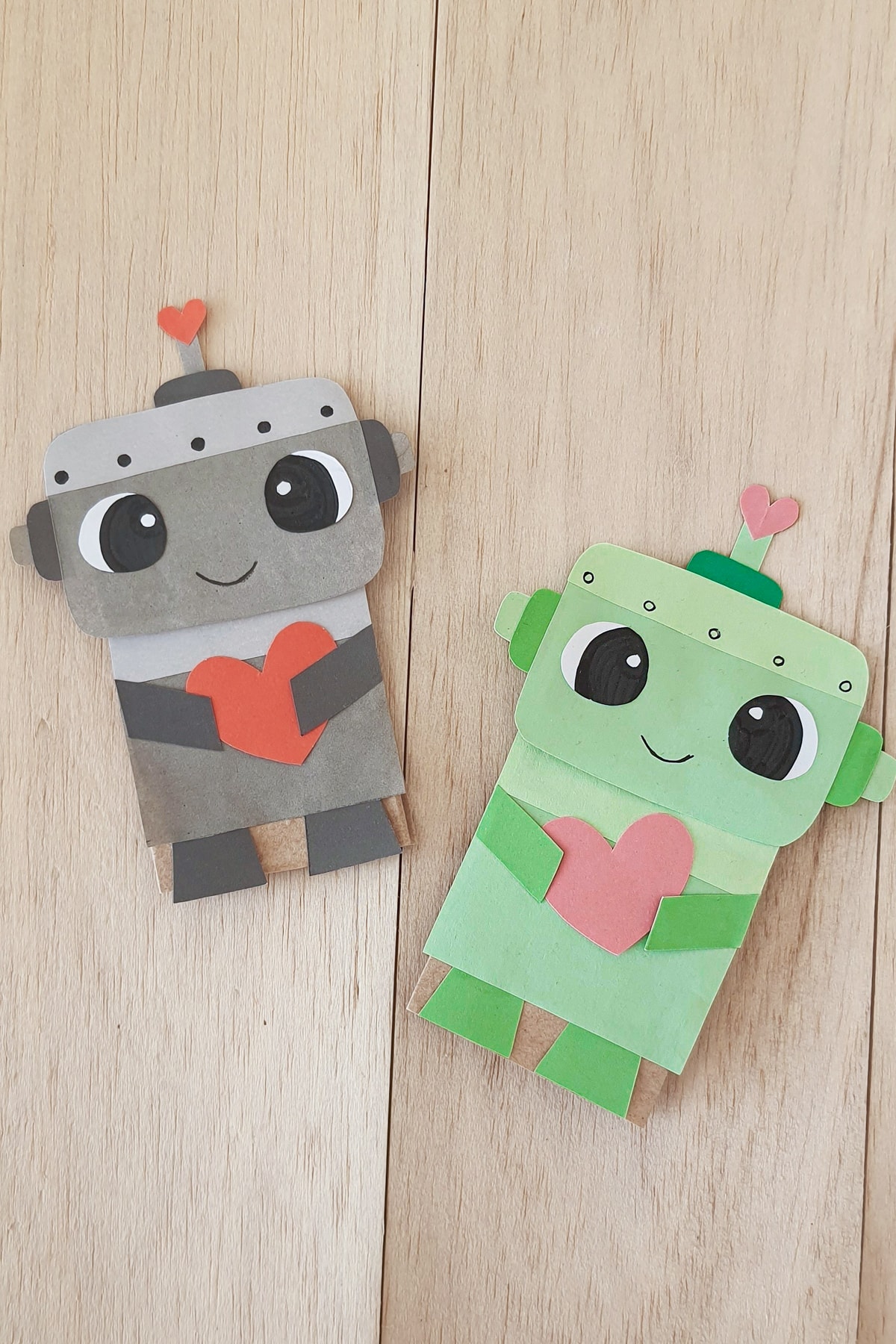
These paper bag robots hold a paper heart between their arms, making them a sweet choice for Valentine’s Day or a friendship activity. The template helps with the head, body, antenna, and other robot parts.
Kids can write a short message on the heart before sliding it under the arms. Try a robot voice for a puppet show, or have each robot deliver a kind message to a friend.
Seasonal Paper Bag Puppets
Paper Bag Bat Puppet
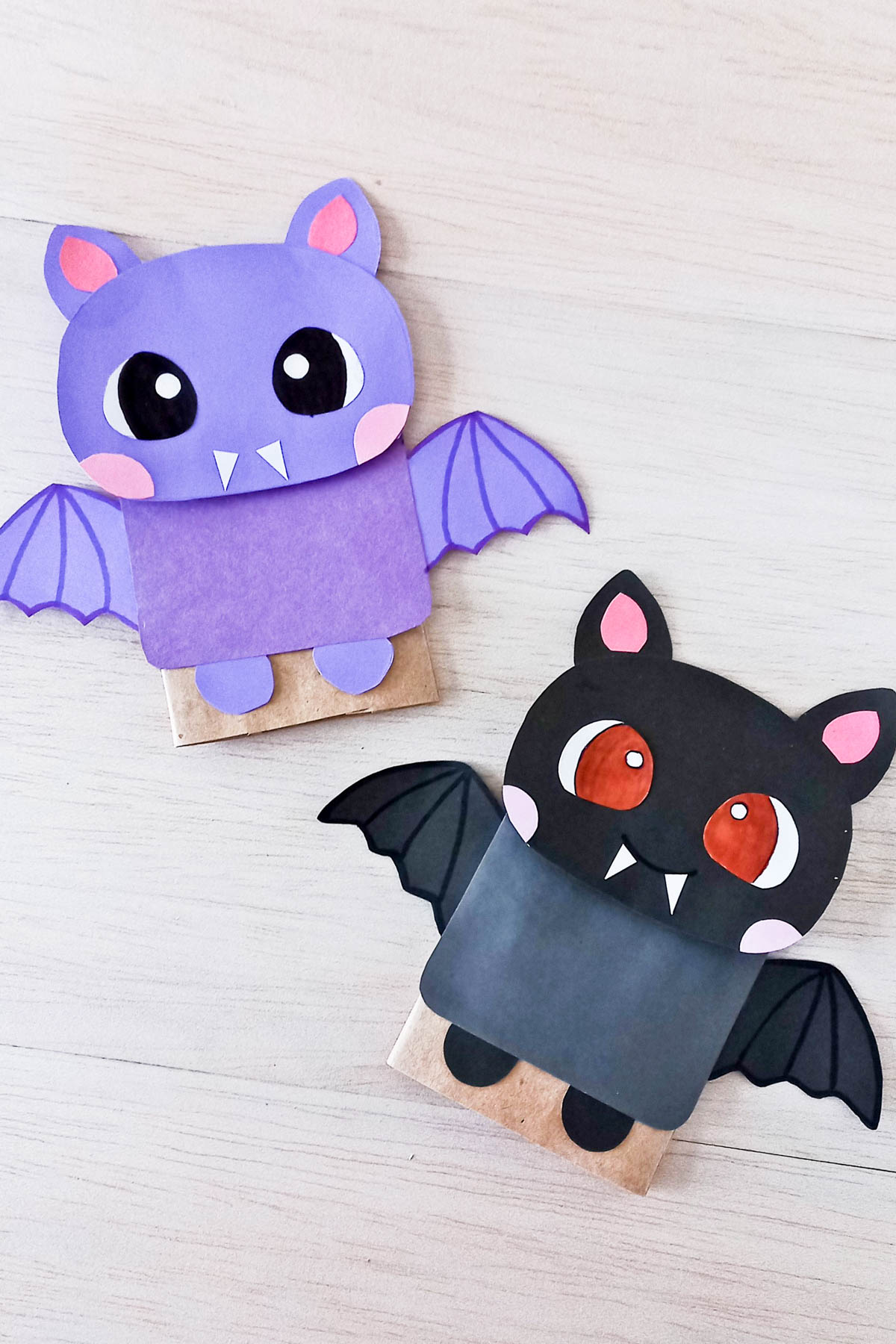
With wings, little fangs, and a paper bag body, this paper bag bat puppet works for Halloween or a nocturnal animal theme. The template includes the head, body base, wings, ears, legs, and face details.
The original tutorial shows both black and purple bats, so kids have room to play with color. Help with the small fangs and ear pieces, then let everyone give their bat its own expression.
Paper Bag Gingerbread Man Puppet
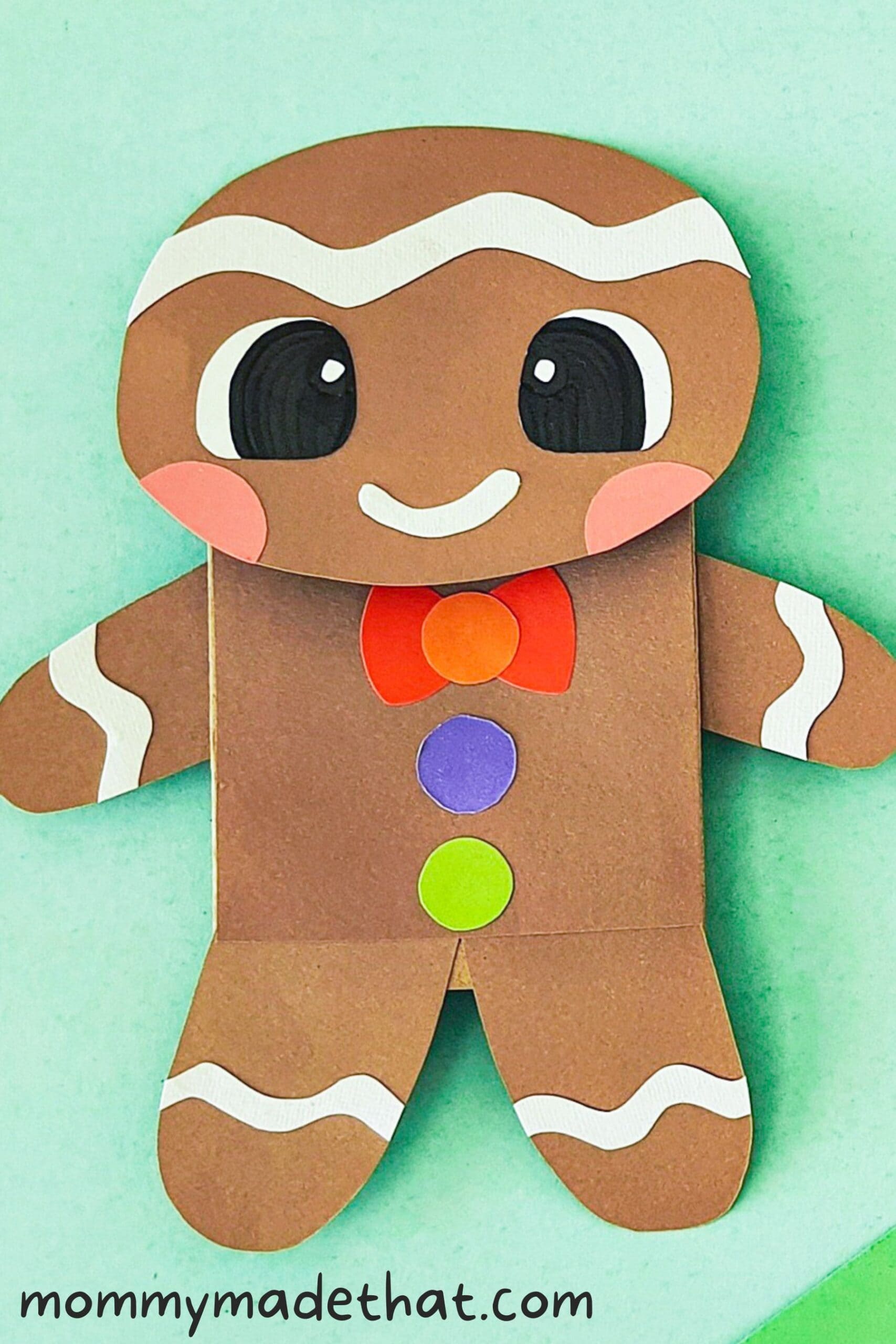
Make a paper bag gingerbread man puppet with paper frosting, buttons, and a bow tie. The tutorial includes small and larger template options, so you can choose the pieces that suit your paper bag before tracing and cutting.
Use the finished puppet to retell a gingerbread story, or invent a new ending together. An adult can help with the thin frosting pieces while kids choose the colors for the buttons and bow tie.
Supplies to Gather
Most of these projects use a small paper lunch bag, the printed template, colored craft paper, a pencil, scissors, glue, and a black marker. Read your chosen tutorial before setting up so you can gather any extra colors or pieces it uses.
Many of the tutorials also give you the option to color the template pieces with crayons or colored pencils instead of tracing them onto colored paper. Coloring before cutting is usually easier when there are lots of small shapes.
Tips for Making Paper Bag Puppets
Check the bag size first. Paper lunch bags aren’t all the same size. Print one template and compare the head and body pieces with your bag before preparing a whole group. The squirrel and gingerbread tutorials include different template sizes, and the robot tutorial gives the bag measurements used.
Keep the flap free to move. With the bag lying flat, the folded bottom becomes the puppet’s head area, and the open end is where your hand goes. Follow the tutorial’s placement photos and avoid gluing the flap shut or sticking the inside of the bag together.
Plan the cutting around your group. For preschoolers, prepare the fiddly pieces ahead of time and let children choose colors, arrange the shapes, and help glue. Kids who are comfortable using scissors can trace and cut more of the pieces themselves.
Use a little glue and give it time to dry. Too much liquid glue can wrinkle the paper. Press each piece into place, set the puppet flat, and wait until everything feels secure before opening the bag for play.
Ways to Play with Your Finished Puppets
Retell a favorite story. Choose a character to explain what happened at the beginning, middle, and end. It’s fine to swap in your own animals or let the kids invent a different ending.
Make a two-character show. Give two puppets a simple problem: one has lost something, needs directions, or wants to make a new friend. Take turns asking and answering questions in character.
Set up a classroom puppet station. Keep the finished puppets in a basket with a few story prompts. Children can introduce their character, describe where it lives, or tell a partner about an imaginary adventure.
Pick a favorite, gather a few paper bags, and see who turns up in your puppet theater. A squirrel can meet an astronaut, a robot can help a lion, and the gingerbread man can finally tell his side of the story!