Teacher Appreciation Speech: Short Examples & Writing Tips
A teacher appreciation speech works best when it sounds like you: a clear thank-you, one real memory, and a few words about why it mattered. Below you’ll find short speech examples for students and parents, a fill-in outline, and tips for saying it aloud.

Giving a speech at a school celebration? It fits well with these Teacher Appreciation Week activities. Start with an example below, then change the details to match your teacher and occasion.
Teacher Appreciation Speech Examples
Use these examples as starting points. Replace the bracketed prompts with true details and remove anything that doesn’t fit your experience. The timing estimates are only a guide; read your version aloud and time it.
Short Thank-You Speech for Teachers
About one minute. This short example thanks a group of teachers at an assembly or class celebration.
Good morning, everyone. Today I’d like to thank our teachers for the care and effort they put into helping us learn.
Thank you for explaining things again when we’re confused, encouraging us to ask questions, and noticing when we need a little extra help. Those everyday moments matter. They make it easier to try something difficult and keep going when we make mistakes.
We appreciate the time you spend preparing lessons, reading our work, and helping us improve. Most of all, thank you for believing that we have something worth contributing. We’re grateful for everything you do for our class.
Teacher Appreciation Speech from a Student
About one to two minutes after personalization. Use this for one teacher at an end-of-year celebration or appreciation event. Say “on behalf of our class” only if you’ve been asked to represent the class.
Good morning, everyone. I’m happy to have this chance to thank [teacher’s name] on behalf of our class.
When I think about this year, I remember [a specific lesson, project, or classroom moment]. What stayed with me wasn’t just what we learned. It was the way you [describe something the teacher did]. That helped me [explain what changed for you].
For me, one of the best things about your classroom is knowing that I can ask a question without having to get everything right the first time. You’ve helped me see that making a mistake is part of learning, and that trying again is worth the effort.
I know my classmates have their own moments to remember, too. Some of us needed encouragement to speak up. Some needed another explanation or a new challenge. Thank you for making room for those different needs.
As we finish this school year, I’ll take more than class notes with me. I’ll remember your patience and the confidence you helped me build. Thank you for teaching us, listening to us, and giving us reasons to be proud of our progress.
For more ideas in a student’s voice, browse these thank-you messages from students. Choose a sentiment that fits your experience and add your own example.
Teacher Appreciation Speech from a Parent
About one to two minutes after personalization. Keep the focus on what you’ve observed and what the teacher’s support has meant to your family.
Good evening, everyone. As a parent, I’m grateful for the chance to thank [teacher’s name] for the care you’ve shown our children this year.
At home, we see little glimpses of what happens in your classroom. We hear about [a project, book, or activity your child enjoyed], and we notice when a child comes home excited to explain something new.
One moment that meant a lot to our family was [a specific example of support]. You [describe what the teacher did], and it helped our child [describe the difference it made]. Thank you for taking the time to understand what they needed.
We appreciate the preparation, communication, and patience behind those moments. Thank you for working with us, answering our questions, and helping our children feel that they belong.
Most of all, thank you for seeing our children as individuals. We’re grateful for the learning, encouragement, and kindness they’ve received in your classroom.
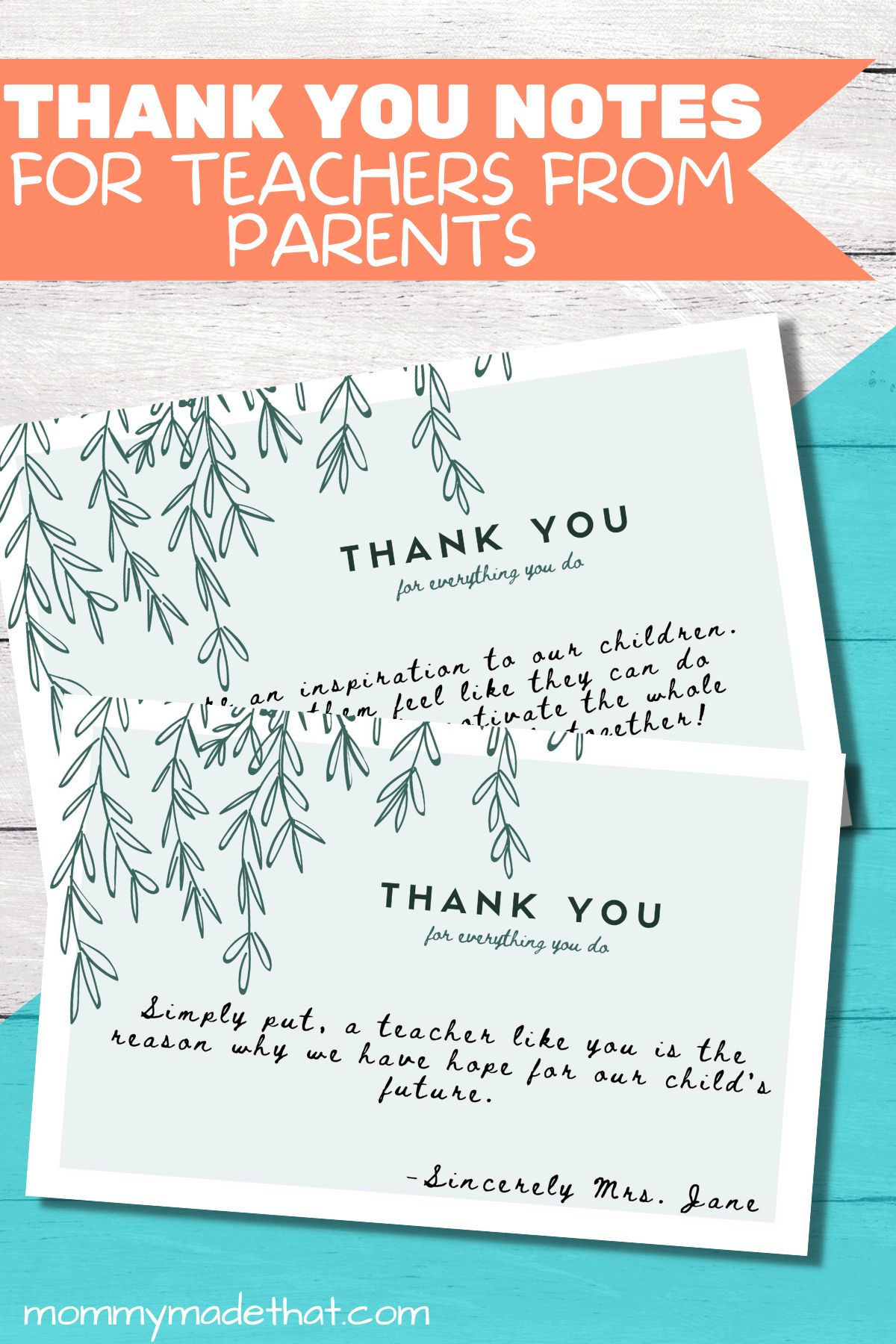
Our thank-you notes from parents offer more wording ideas if you’re finding it hard to explain what a teacher has meant to your child.
Choose What You Want to Thank Your Teacher For
Before writing, choose one or two things you genuinely appreciate. A small, specific moment often says more than a long list of compliments.
- A time the teacher explained something in a different way until it made sense.
- A lesson or project that made you curious about a subject.
- Encouragement that helped you speak up, try again, or feel included.
- A thoughtful check-in or useful conversation with your family.
Describe what happened, what the teacher did, and why it mattered. Avoid sharing a child’s private difficulties or someone else’s personal story without their permission.
For a colleague’s speech, draw on something you’ve seen firsthand: sharing lesson ideas, helping a new staff member, or supporting a school project. For a retirement or farewell event, connect a specific memory to what you’ll carry forward.
A Simple Teacher Appreciation Speech Outline
Use this four-part outline to turn your ideas into a speech. You don’t need an impressive quotation or a dramatic opening.
- Greet the audience and name the person you’re thanking. “Good morning. I’d like to thank [teacher’s name] for…”
- Share one real example. “I remember when [specific moment]. You [what the teacher did].”
- Explain the difference it made. “That helped me/us [result or feeling].”
- Close with a direct thank-you. “Thank you for [specific quality or action]. I’ll always remember [lesson or memory].”
If writing feels easier than speaking, start with a teacher appreciation letter, then shorten it and read it aloud. Keep the sentences that sound natural when spoken.
How to Start and End Your Speech
Start with a Clear Thank-You
You can begin simply: “Thank you for giving me a chance to recognize someone who made this school year better.” Then name the teacher and explain why you’re speaking.
Skip a long introduction about the importance of education. Your audience will learn what makes this teacher special through the example you share.
Make the Middle Specific
Instead of “You’re an amazing teacher,” try “When I was stuck on my project, you helped me break it into smaller steps. I finished it feeling proud instead of overwhelmed.” Use your own true experience rather than borrowing that memory.
A short line from one of these teacher appreciation poems or teacher appreciation quotes can fit, but it’s optional. Credit the author when known and explain why the words remind you of your teacher.
End with Gratitude
Return to your main message rather than introducing another story. For example: “Thank you for being patient with our questions and proud of our progress. We’ll remember the way you helped us believe in ourselves.”
For an assembly, you could finish by inviting everyone to join you in thanking the teachers. A classroom speech can end with a simple, personal “Thank you.”
How Long Should a Teacher Appreciation Speech Be?
Ask the organizer how much time you have. If no time has been set, a short one- to two-minute speech is a practical starting point for thanking one teacher. A planned assembly tribute may allow more time.
For drafting, allow roughly 100–150 spoken words per minute, with extra room for pauses or applause. Your own speaking pace matters more than a word-count target: rehearse aloud with a timer, then cut repetition if you run over.
Delivering the Speech with Confidence and Sincerity
- Write for your speaking voice. Use familiar words and short sentences. Change any phrase you stumble over.
- Bring notes. It’s fine to read from a printed page or use note cards. Use a large font and mark places to pause.
- Practice aloud. Time the whole speech, including the greeting and ending. Ask someone to listen for anything unclear.
- Slow down at the important moment. Pause after the memory or thank-you you most want the teacher to hear.
- Look up when comfortable. You don’t need constant eye contact. A brief glance toward the teacher at the end is enough.
- Give yourself room to be nervous. Take a breath before starting. If you lose your place, pause, find the next line, and continue.
For younger children, use a few short sentences they understand and would actually say. An adult can help them practice or stand beside them. A short, comfortable thank-you is enough.
Continuing the Appreciation Beyond the Speech
You can give your teacher a copy of the speech afterward, add a note to one of our teacher appreciation printables, or pair it with a teacher appreciation craft. A handmade extra is optional; the words can stand on their own.
For other ways to say thanks, explore our teacher appreciation ideas. Choose something that suits your teacher rather than feeling you need a big gesture.
Before you finish, check that your speech includes a clear thank-you, a true example, and a closing that sounds like you. That’s a thoughtful message your teacher can take with them.